
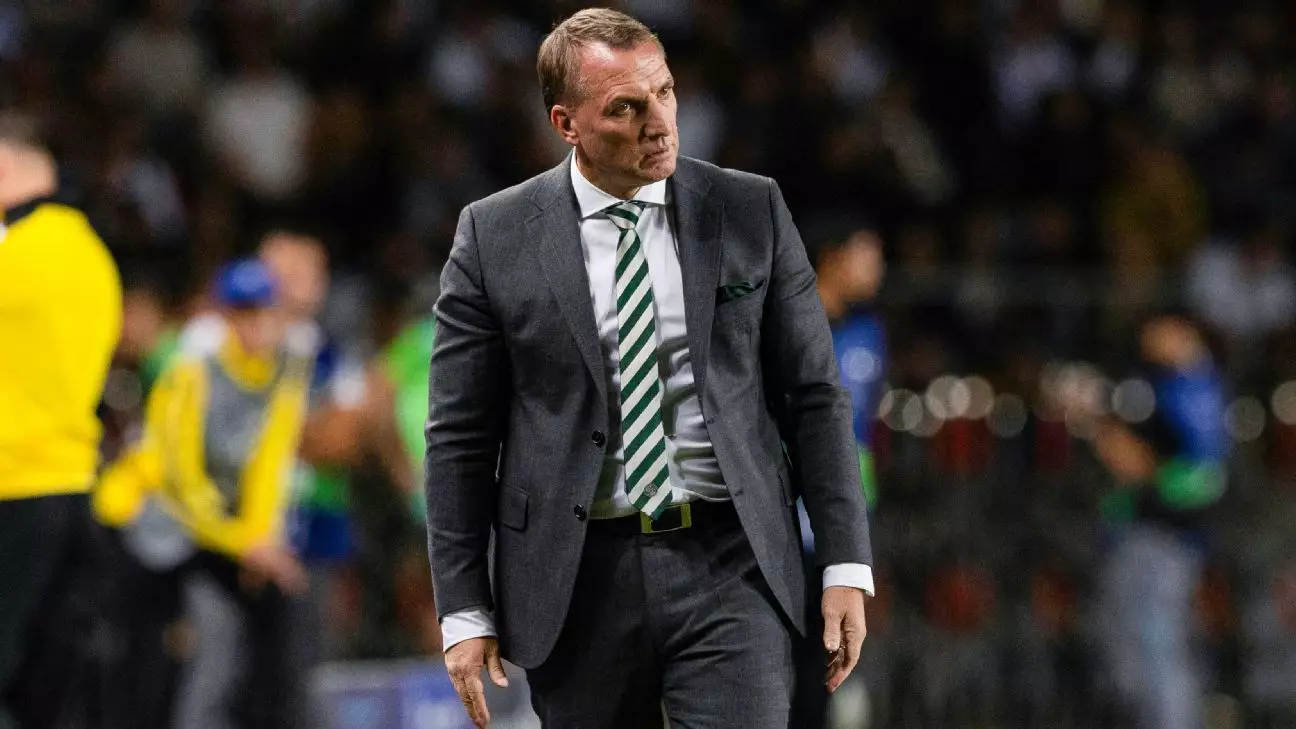
Celtic’s recent failure to qualify for the Champions League group stage has cast a shadow over the club, exposing vulnerabilities that go far beyond the pitch. The elimination in the playoff round after a grueling goalless two-legged tie against Kairat Almaty highlights not only tactical shortcomings but also a deeper crisis of ambition and strategic planning. Despite a resilient display in extra time, the missed chances—most notably Daizen Maeda’s in the 86th minute—underscored a team lacking the cutting edge needed at this level. The subsequent shootout defeat, with Maeda and others missing penalties, symbolized more than just unfortunate penalties; it reflected a broader failure to meet the expectations set by the club’s historical ambitions.
Celtic’s frustration is compounded by the club’s evident inability to adapt quickly or bolster their attacking options adequately. The absence of key signings, especially wingers following Jota’s injury, reveals an alarming hesitancy that is costing them dearly. Strategic neglect in the transfer window, coupled with the sale of Nicolas Kühn, has left Rodgers’s squad short on necessary firepower. The fact that Shin Yamada, the only new striker brought in since Furuhashi’s departure, remained unused during the decisive second leg indicates a lack of confidence from the manager himself. This internal disconnect hints at a club that is perhaps over-reliant on existing players rather than addressing critical gaps proactively.
Financial Fallout and Strategic Missteps

The financial repercussions of missing out on the Champions League are imminent and significant. Celtic’s summer spending—approximately £3 million on transfers—looks paltry compared to the potential income lost, which could approach the £20 million they might have earned had they qualified. This discrepancy not only underscores a failure to compete at the highest levels but also raises questions about financial discipline versus strategic shortsightedness. The anticipated arrivals of new players, like Michel-Ange Balikwisha and Marcelo Saracchi, have been met with anger from supporters who view it as too little, too late. The club’s ability to turn this transfer window into a formative return will be crucial in the weeks ahead, especially with the pressure mounting.
Rodgers’s comments in the aftermath reflect a fragile balancing act. He emphasizes the importance of “timely investment,” but his words also reveal a lack of clarity about the club’s financial strategy and future direction. When pressed about the impact of Champions League earnings, Rodgers’s vague response—“I haven’t a clue”—speaks volumes about the uncertain foundation Celtic now stands upon. This level of ambiguity from the manager not only undermines confidence internally but also fans’ trust in the club’s leadership. His diplomatic tone cannot mask the reality that Celtic have missed a vital window to strengthen and capitalize on last season’s progress.
Building for the Future or Feeding the Crisis?
The heart of Celtic’s predicament is a broader question of ambition versus reality. After a commendable run against Bayern Munich, expectations naturally soared. Yet, the club’s failure in Kazakhstan and the subsequent series of missteps suggest that the optimistic momentum has been cut short. Rodgers’s remarks about “building on last season’s strides” sound hollow when the lack of strategic recruitment hampers his ability to push the team further.
Meanwhile, the upcoming fixture against Rangers looms large as a litmus test—not just for the season but for the club’s resilience in the face of adversity. How Celtic responds in these high-pressure moments will define whether this crisis is merely a fleeting setback or a sign of deeper structural issues. The club’s focus needs to shift from reactionary measures to proactive planning, ensuring that the investment—financial and strategic—aligns with their aspirations. Simply put, Celtic must decide whether they will accept mediocrity in the short term or leverage this disappointment as fuel to reignite their competitive edge.
Ultimately, Celtic’s current struggles expose the perils of complacency and a shortsighted approach to growth. The club’s failure to adequately strengthen and adapt reveals a broader issue: a disconnect between ambition and execution. If Celtic are serious about reclaiming their place amongst Europe’s elite, they need more than just hope—they need decisive action, strategic investment, and a voiced commitment to long-term excellence, not just survival.