
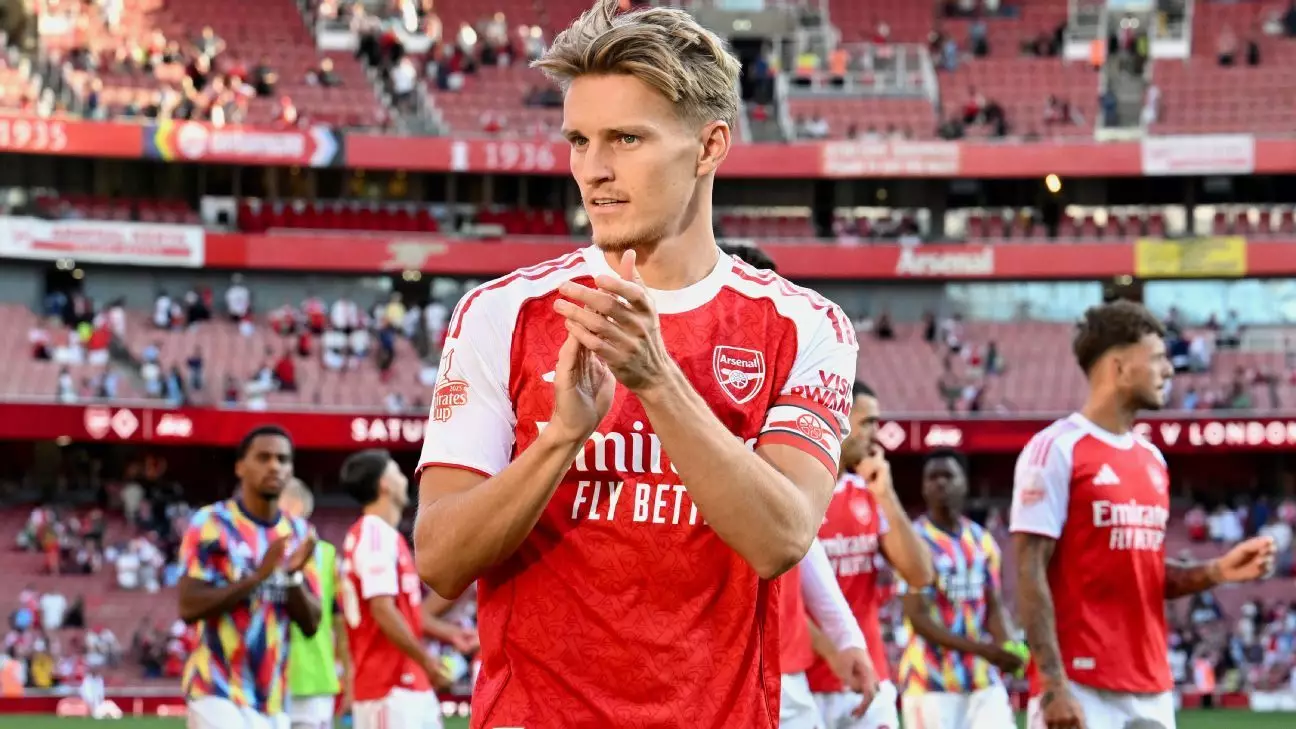
In the world of football, leadership is often scrutinized, dissected, and challenged, yet true resilience lies in unwavering conviction. Mikel Arteta’s recent defense of Martin Ødegaard as Arsenal’s captain exemplifies this truth. Despite vocal criticism from former iconic Arsenal captain Tony Adams, who questioned whether Ødegaard’s leadership is sufficient to propel the Gunners to Premier League glory, Arteta stands firm. His insistence on the squad’s collective choice—overwhelmingly favoring Ødegaard—highlights a crucial point: authentic leadership is rooted in the confidence of those being led, not just the opinions of outsiders.
The coach’s transparency about implementing a democratic process to select the captain underscores a modern approach to leadership. By involving players in this decision, Arteta demonstrates that leadership must resonate internally within the squad. The fact that players expressed unanimous support for Ødegaard’s captaincy indicates that the Norwegian midfielder possesses qualities valued by his teammates—traits such as composure, vision, and resilience. This collective endorsement not only bolsters Ødegaard’s authority on the pitch but also signifies a united front necessary for challenging the reigning top teams.
Adams’ assertions seem rooted in a traditional, perhaps outdated, vision of leadership—one that favors more aggressive or vocal figures like Declan Rice. However, football has evolved, emphasizing intelligence, emotional strength, and the ability to unify team dynamics. Ødegaard embodies these qualities, offering stability in the midst of high-pressure matches. Arteta’s trust in his squad’s judgment reveals an insightful understanding: a captain’s influence isn’t solely measured by vocal authority but by the ability to command respect purely through performance and character.
Refereeing Policies and the Power of Fair Competition
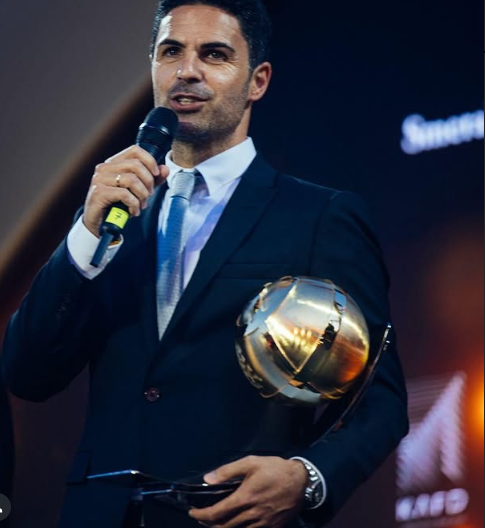
While leadership on the field garners significant attention, so too does the surrounding environment—the rules and their enforcement. Arteta’s comments on the consistency of refereeing highlight an ongoing challenge in modern football: ensuring fairness through fair application of rules. Last season’s inconsistent crackdown on time-wasting, for instance, caused frustration for managers and fans alike. The league’s efforts to penalize infractions such as ball-kicking and prolonged ball retention are vital steps toward a more disciplined and fluid game.
Arteta’s plea for consistent officiating reflects an understanding that referees act as custodians of fair play. When officials apply rules evenly, players are healthier mentally and physically, and the match’s integrity is preserved. The coaching staff’s engagement with referees and governing bodies suggests that football is increasingly recognizing the importance of clear guidelines and accountability. Achieving this harmony isn’t just about adherence to regulations; it is about fostering trust among players, managers, and supporters—elements essential for a league that aspires to global excellence.
Implementing stricter regulations on time-wasting, as the league plans to do more rigorously this year, signals a decisive move toward maintaining the game’s integrity. Tools like VAR and data analytics have already improved officiating accuracy, but human judgment remains paramount. Ensuring referees are supported in their decisions and held to consistent standards directly benefits teams like Arsenal, who aim to focus on their tactical development without being hindered by avoidable infringements.
The Road to Consistency and Excellence
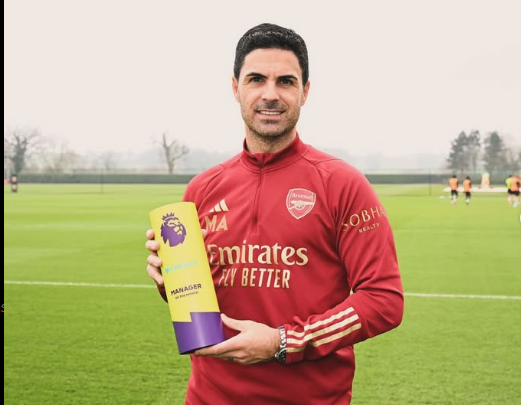
Arteta’s optimism about the upcoming season echoes a broader aspiration: that the Premier League will elevate its standards while respecting the gameplay’s dynamic nature. The coach’s emphasis on preparation, both tactical and procedural, reflects a leadership philosophy grounded in strategic patience and thorough communication. By engaging in constructive dialogues with referees and openly addressing past shortcomings, Arsenal exemplifies a proactive attitude—one that seeks excellence not only on the field but throughout the league’s structure.
This attitude is crucial for a club with European ambitions. Arsenal’s recent emphasis on winning a major title is more than just boastful talk; it’s a mindset driven by meticulous planning and internal belief. The squad’s confidence in Ødegaard’s leadership, coupled with a league that is committed to fair play, creates an environment primed for success. However, it’s essential to recognize that leadership and fairness are intertwined; a team that respects its officials and adheres to the rules fosters a culture where talent can flourish unimpeded by avoidable setbacks.
While the challenges of leadership and officiating are ongoing, Arsenal’s approach under Arteta suggests that enduring success depends on internal unity and external consistency. In a competitive landscape filled with unpredictable shifts, those who master the art of resilient leadership and uphold the highest standards of sportsmanship will ultimately carve their legacy. It’s about more than winning a title—it’s about setting a benchmark for integrity, professionalism, and unwavering belief in the collective effort.