

Woody Johnson’s acquisition of a substantial stake in Crystal Palace signifies a pivotal moment not only for the club but also for the landscape of football investment in England. By purchasing 43% of the club for nearly £190 million, Johnson is positioning himself as a major figure in Premier League ownership—a league renowned for its competitive spirit and passionate fanbase. Unlike traditional European clubs, which often have long-standing internal structures, Palace’s recent pitch into American high finance and influence reflects a growing trend: top-tier clubs increasingly attracting foreign investors with immense resources and global ambitions.
This move signals more than just financial backing; it embodies an ambition to elevate Crystal Palace’s stature on both domestic and international stages. Johnson’s history as a U.S. ambassador and his previous endeavors—ranging from failed attempts to acquire Chelsea to his deep-rooted admiration for English football—highlight a genuine passion that contrasts sharply with the often corporate veneer seen in modern sports ownership. His statement about feeling “honoured and privileged” demonstrates a personal connection, suggesting that his investment isn’t just about capital but also about legacy and cultural appreciation.
Strategic Implications for the Club and Its Future
The involvement of Johnson alongside existing stakeholders like Steve Parish, Josh Harris, and David Blitzer suggests a collaborative yet ambitious vision for Crystal Palace. It indicates an intent to harness diverse expertise, combining local loyalty with global financial muscle. Such syndicate ownership models are increasingly common but require adept management to balance commercial interests with the club’s traditions and fan expectations.
One critical challenge facing Palace is their current dispute with UEFA regarding European competition eligibility. Their recent FA Cup victory was a historic achievement—marking their first major trophy in over a century—but their demotion from the Europa League to the Conference League due to multi-club ownership rules has cast a shadow over their success. Johnson’s entrance, therefore, also signals a potential shift in how the club navigates European regulations and ambitions. With the backing of a new power player, Palace may seek to influence or even challenge UEFA’s stance, or at the very least, bolster their legal and strategic defenses.
It’s worth noting that Johnson’s history as a supporter of Chelsea, combined with his failed bid for that club, reveals a complex relationship with English football. His loyalty and passion could serve as a driving force to push Palace toward greater competitiveness and stability, potentially even reevaluating their European forays. The club’s ongoing appeal at the Court of Arbitration for Sport underscores a determination to reclaim their rightful participation in European competitions, and Johnson’s involvement might be instrumental in these legal battles.
Impacts on Club Culture and Fan Expectations
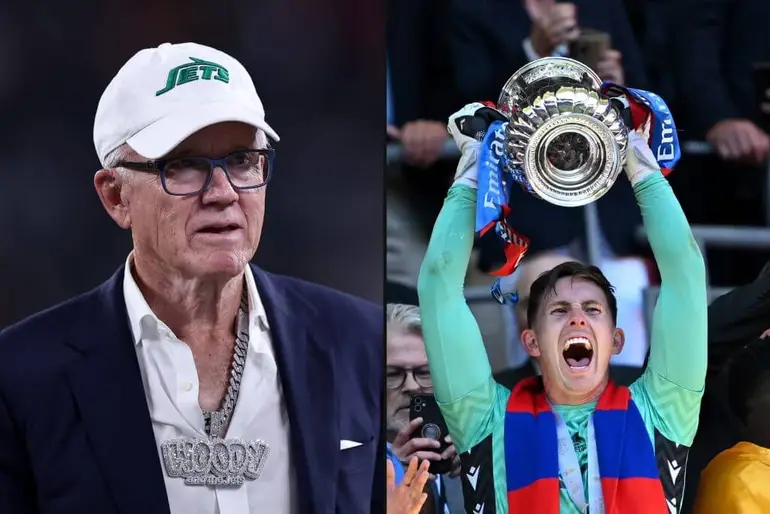
Perhaps most compelling is Johnson’s expressed admiration for Palace fans—their “extraordinary loyalty, passion, and unwavering dedication.” This acknowledgment isn’t merely lip service; it hints at an understanding that modern club owners must embrace their supporters’ importance to succeed. Fans have long been the heart of Palace’s identity, and Johnson’s promise to meet and know them suggests a commitment to fostering a more inclusive and transparent relationship.
However, this also raises questions about the influence of foreign and corporate owners on club culture. Can Johnson translate his professional success and affluent background into authentic engagement with loyal, often working-class, fans? Experience from other clubs indicates that misalignment between ownership ambitions and fan sentiment can breed disconnect, possibly leading to unrest or apathy if not managed carefully. For Palace, maintaining that delicate balance will be crucial.
Furthermore, Johnson’s arrival may herald a shift in the club’s ambitions—from a club grounded in tradition to one aspiring for consistent European presence and domestic excellence. This transition could redefine what Palace stands for, challenging longstanding perceptions of the club as an underdog with a fiercely loyal but modest following. With deeper pockets, Palace might expand its scouting, facilities, and squad quality, transforming its identity from a scrappy underdog to a European hopeful.
A New Chapter in the Premier League’s Changing Landscape
Johnson’s entrance as a significant investor contributes to the profound transformation sweeping through European football—where billionaires and multinational corporations increasingly influence club fortunes. Yet, his commitment to the Premier League’s “Owners’ Charter” signifies at least an outward promise to adhere to league standards and regulations. That said, the current dispute with UEFA illustrates that the road to European success remains fraught with legal, regulatory, and ethical hurdles.
This saga underscores an evolving landscape characterized by bold financial strategies, complex ownership structures, and fierce regulatory scrutiny. Johnson’s involvement might catalyze a broader conversation about the ownership models that best serve clubs, fans, and the sport’s integrity. If Palace succeeds in navigating its European appeal and leverages Johnson’s resources effectively, it could serve as a blueprint for other clubs seeking to blend tradition with ambition.
Fundamentally, Johnson’s story at Crystal Palace is about more than a financial investment. It exemplifies a confident step towards reshaping a storied club’s destiny. Whether this move will breathe new life into Palace’s European ambitions or lead to unforeseen conflicts remains uncertain. Still, it undeniably injects a fresh dose of optimism, strategic foresight, and worldly influence into the South London club’s future trajectory.