
Real Madrid Survived Against Dortmund
The Santiago Bernabéu erupted in fervor before kickoff against Borussia Dortmund, displaying a massive banner that read, “Our crown, our trophy.” This sentiment encapsulates Real Madrid’s aura as the unrivaled giants of European football, having clinched the UEFA Champions League title a staggering 15 times. Yet, beneath the surface of this triumph-laden history lies a current Madrid side that often struggles to function cohesively, producing inconsistent performances that leave fans and pundits alike perplexed.
On a night that turned out to be thrilling yet tumultuous, the match showcased Madrid’s duality. They opened the game flat-footed, resembling a team caught off guard rather than the defending champions intent on asserting dominance. The delicate balance of elite talent versus collective performance led to a first-half showing that belonged in a different dimension from the explosive resurgence that followed in the second half.
From the outset, Real Madrid appeared vulnerable, showing cracks particularly in defense and midfield. Within the first half, Dortmund seized their opportunity to exploit these weaknesses. The first goal from Donyell Malen was a product of a beautifully orchestrated team move, leaving Madrid’s defenders in a state of bewilderment. Just minutes later, Jamie Bynoe-Gittens added a second, taking advantage of lazy marking that would spark frustration from the home crowd.
Madrid’s inability to control the midfield was glaring, as Borussia’s quick transitions and spirited approach caught them off guard. Despite the momentum shifting slightly towards Madrid as the half progressed—evidenced by Rodrygo and Jude Bellingham’s near misses—there was an unmistakable unease among players and supporters. Halftime arrived with the home crowd’s discontent palpable, a stark reminder that success is often a fragile thing, resting on moments of collective cohesion.
The second half, however, was a completely different story. It was as if a switch had been flipped in the Madrid dressing room. Fuelled by the electric atmosphere and the palpable tension from their supporters, the team returned to the pitch with renewed vigor. Antonio Rüdiger, often overshadowed by more glamorous names, sparked the revival with a thunderous header that brought some life back into the proceedings.
The decisive moment came just moments later when Vinícius Júnior, who had experienced stretches of frustration in the first half, leveled up the match. With a fine display of skill and speed, he not only illuminated his resurgence but also created a sense of belief among players and fans alike. Madrid’s hunger was on full display—the team began to push relentlessly for more, invigorated by the momentum shift.
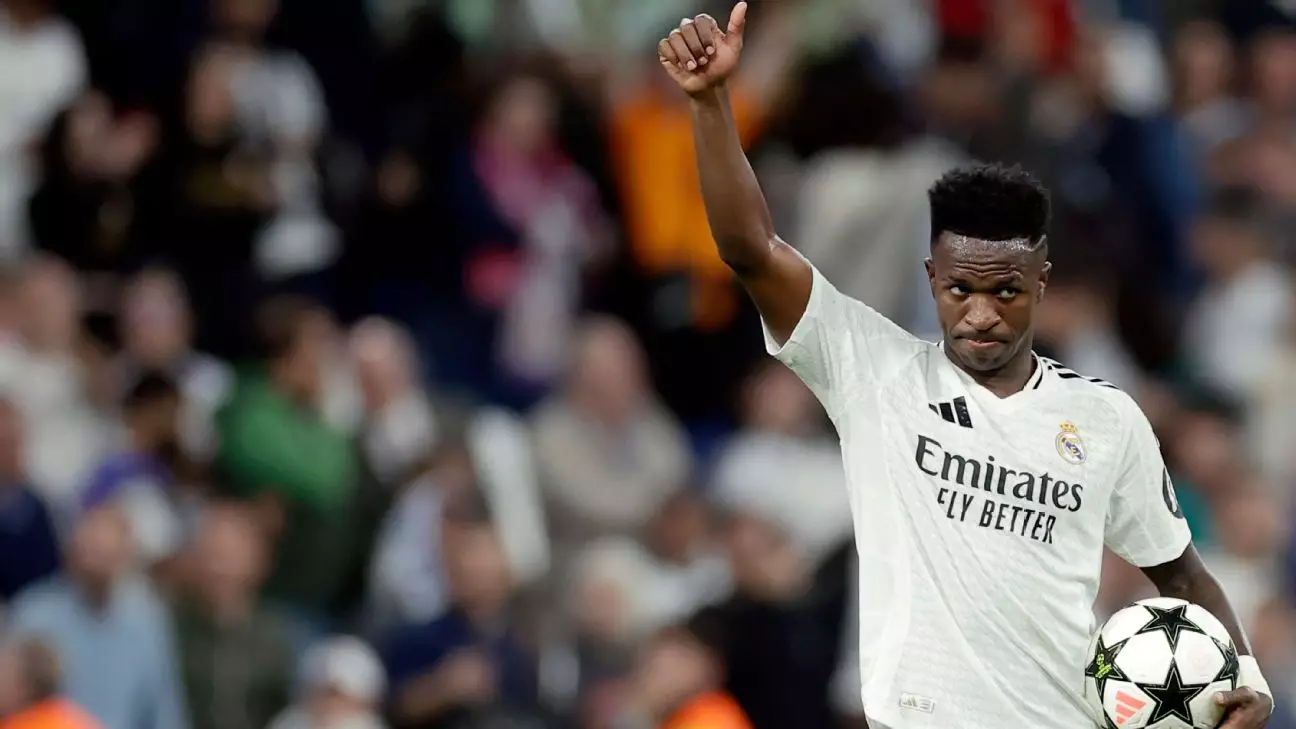
As the match progressed, Vinícius emerged as the standout performer. With blistering pace and uncanny positional awareness, he began to wreak havoc on the Dortmund defense. Two brilliant late goals solidified not just the scoreline but also established him as the central figure in Madrid’s storied comeback triumph. His hat trick not only showcased his individual brilliance but also emphasized the necessity for teamwork, communication, and collective spirit inherent in football at this level.
The performance of both Madrid and Vinícius ultimately begs the question: Can this transformative energy be harnessed moving forward? While the headlines will undoubtedly center around the Brazillian’s mesmerizing display, the slightly indifferent first half serves as a reminder that success can be a double-edged sword. The brilliance of a team is often measured against how it deals with adversity, and this match served as both a cautionary tale and a declaration of intent.
As Madrid gears up for a critical El Clásico against Barcelona, the mixed bag of performances displayed against Dortmund raises concerns. The team remains unbeaten in La Liga but risks slipping into old patterns if the inconsistencies are not addressed. Following the match, it was clear that while Madrid may have reasserted their dominance on one occasion, the prospect of future challenges remains daunting.
Furthermore, the importance of maintaining momentum in this new Champions League group format cannot be understated. With only a handful of teams advancing to the knockout stages, Madrid cannot afford to harbor insecurity or complacency. The potential for another season of European glory looms large on the horizon; yet, the scrutiny will continue as they attempt to stitch together their blend of individual talent and teamwork.
Ultimately, Real Madrid’s performance against Dortmund encapsulated their character—one of fighting spirit mixed with moments of brilliance. This blend, especially when equipped with players like Vinícius, positions them as potential favorites for future titles, but not without addressing their vulnerabilities that still linger in the air.