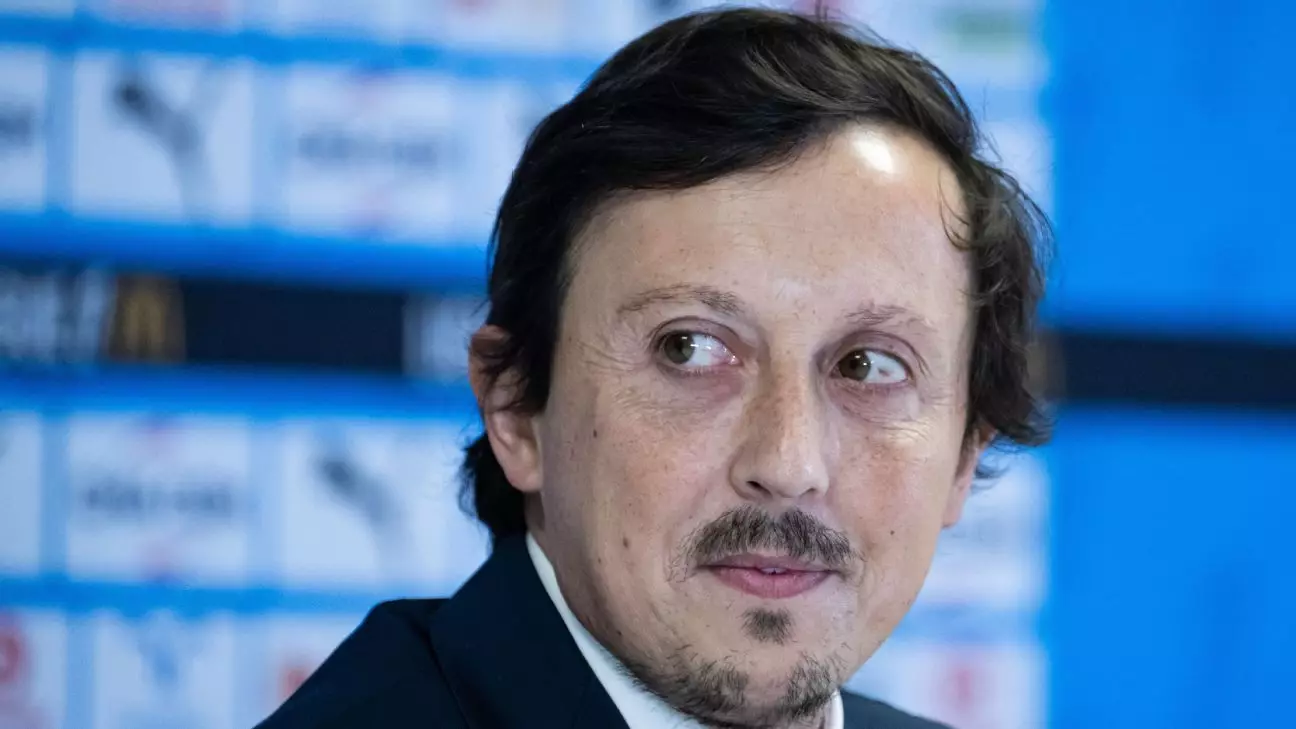
Concerns Arise Over Referee Safety Amid Controversial Comments in French Football
In recent weeks, the French football community has been rocked by tensions surrounding the safety of match officials, particularly in light of inflammatory remarks made by Pablo Longoria, the president of Marseille. Following the team’s disappointing 3-0 defeat to Auxerre, Longoria publicly criticized the appointment of referee Jérémy Stinat, suggesting foul play and “true corruption” within the league. This situation not only highlights the vocal discontent often presented by team officials but also raises serious questions about the broader implications of such comments on the integrity and safety of referees.
Longoria’s criticisms did not go unnoticed; they immediately sparked a backlash against Stinat, culminating in reports of threats aimed at him and his family. The grave nature of the situation is underscored by a troubling incident where the tires of two cars belonging to Stinat’s family were found slashed, suggesting that the vitriol of Longoria’s statements may have incited harmful actions. In a shocking response, the French Football League (LFP) swiftly imposed a 15-match ban on Longoria for his comments, aiming to reinforce the seriousness of maintaining respect within the sport.
In the light of these hostile developments, the Referees Union (SAFE) took a decisive stand. They convened a meeting with French Minister for Sport, Marie Barsacq, to discuss the precarious position that referees find themselves in, echoing a sentiment of vulnerability that has emerged in recent years within football officiating. SAFE’s statements emphasize that remarks like Longoria’s not only undermine the integrity of individual referees but also erode the confidence in the officiating body as a whole. The union has asserted that they reserve the right to withdraw from games if their members or their families are subjected to threats or violence as a result of match-related decisions.
This incident is emblematic of a larger issue affecting sports, particularly football, where emotional responses from club officials can escalate into dangerous situations for referees. The spotlight on referee safety is nothing new, yet it becomes increasingly urgent when high-profile figures like Longoria use their platforms to undermine the credibility of officials. The fear stemming from potential repercussions can have a chilling effect on match officials, detracting from their focus and ability to perform their duties impartially.
As the discourse around referee safety gains momentum, it is imperative that governing bodies, clubs, and individuals foster an environment where respect is at the forefront. The recent tensions in French football serve as a critical reminder that the stakes are high, not just for teams vying for victory, but also for the fundamental principles of fairness, respect, and safety in the game. It is crucial that all parties involved engage constructively to combat the culture of hostility, ensuring that such threats become a relic of the past. Moving forward, addressing this issue with the seriousness it demands could pave the way for a safer and more respectful atmosphere for everyone involved in the beautiful game.


