Empathy in Sports: The Impact of Tragedies on Athletic Events
The world of sports often grapples with balancing the excitement and spectacle of athletic competition against the backdrop of real-world events, particularly catastrophes. Recent tragic floods in Spain’s Valencia region stand as a poignant example of this dilemma. With at least 211 lives lost, these floods are the deadliest of their kind in modern Spanish history, prompting widespread outcry and a reevaluation of sporting priorities. Prime Minister Pedro Sánchez’s announcement of over 4,800 rescues underscores the profound crisis that has affected thousands, emphasizing the human cost that transcends the realm of sports.
In times of unprecedented disaster, such as these floods, it becomes essential to reflect on the appropriateness of hosting sporting events. The decision to continue with eight LaLiga games amid widespread mourning demonstrates a complex interplay between the demands of sporting calendars and the sensitivity required in humanitarian crises.
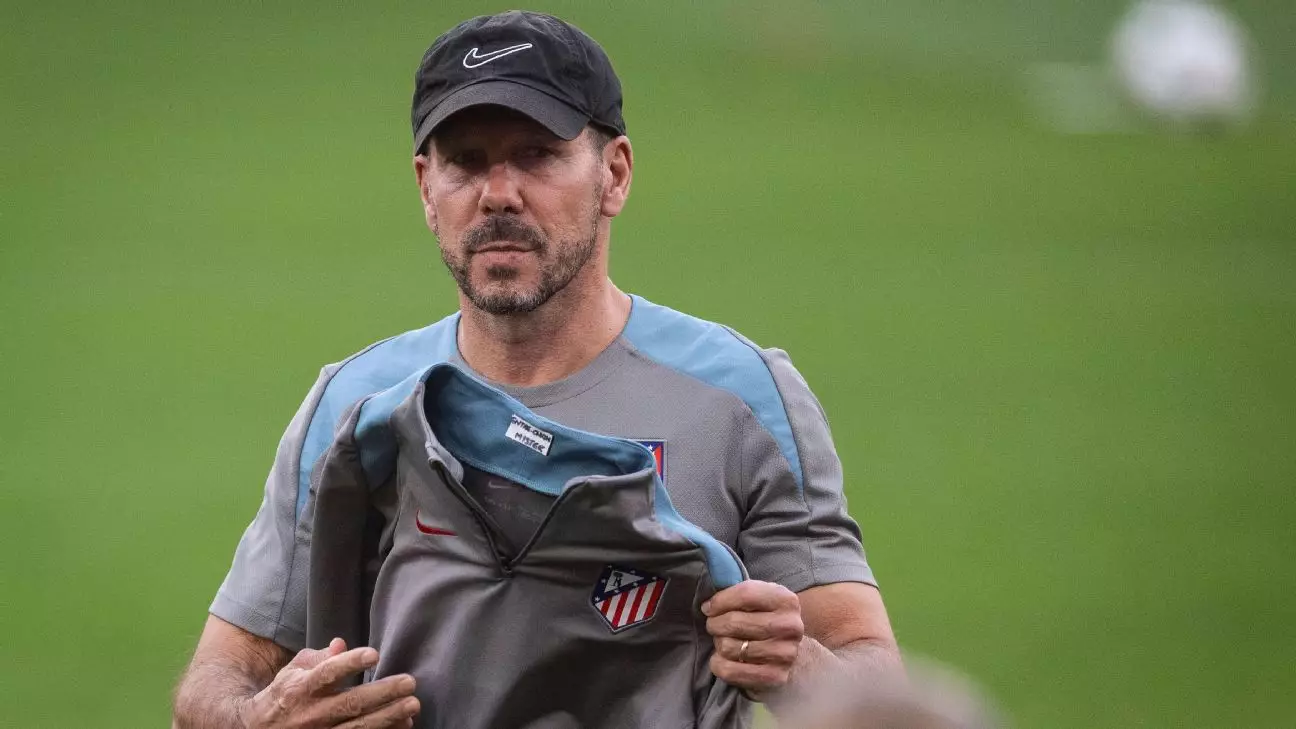
Diego Simeone, the manager of Atlético Madrid, has voiced strong opposition to the continuation of games during this crisis. His remarks resonate with the broader sentiment that sometimes, the show must not go on, especially when communities are in pain. Simeone articulated the need for solidarity and compassion, highlighting the resilient spirit of the people who have come together to aid those affected. His assertion that “it doesn’t make any sense” to proceed with games is not merely a critique of the timing but an appeal to our collective humanity. Such statements from sports leaders can serve as pivotal moments, encouraging deeper conversations about the ethical responsibilities of sporting bodies in times of tragedy.
In light of these events, the show of solidarity among athletes is also noteworthy. For instance, Osasuna forward Ante Budimir’s decision to dedicate his goal celebration to the victims by holding up a supportive message encapsulates how sports figures can leverage their visibility for greater good. This act not only honors the casualties but reminds fans and fellow athletes of their shared humanity. Furthermore, the league’s initiative to collaborate with the Red Cross to support those affected affirms the potential for sports organizations to play a constructive role in disaster response.
As teams prepare for their matches amid this crisis, attention to community welfare and healing should take precedence over competition. The postponement of significant matches like Valencia versus Real Madrid demonstrates an understanding of the current emotional landscape in which many fans reside. Although competitiveness is a hallmark of sports, embracing empathy can create a more profound connection among players, fans, and the broader community.
Ultimately, the impact of such tragedies transcends the sports world, urging everyone involved to reassess priorities and foster a culture of empathy. The phrase, “We carry on,” found within Simeone’s statements, can take on new meanings: moving forward with a heart that remembers and honors those who are suffering rather than merely continuing without regard. In moments like these, the essence of sports should be about unity and support rather than just competition.