Redefining Fan Engagement: Manchester City and Puma’s Innovative Kit Design Competition
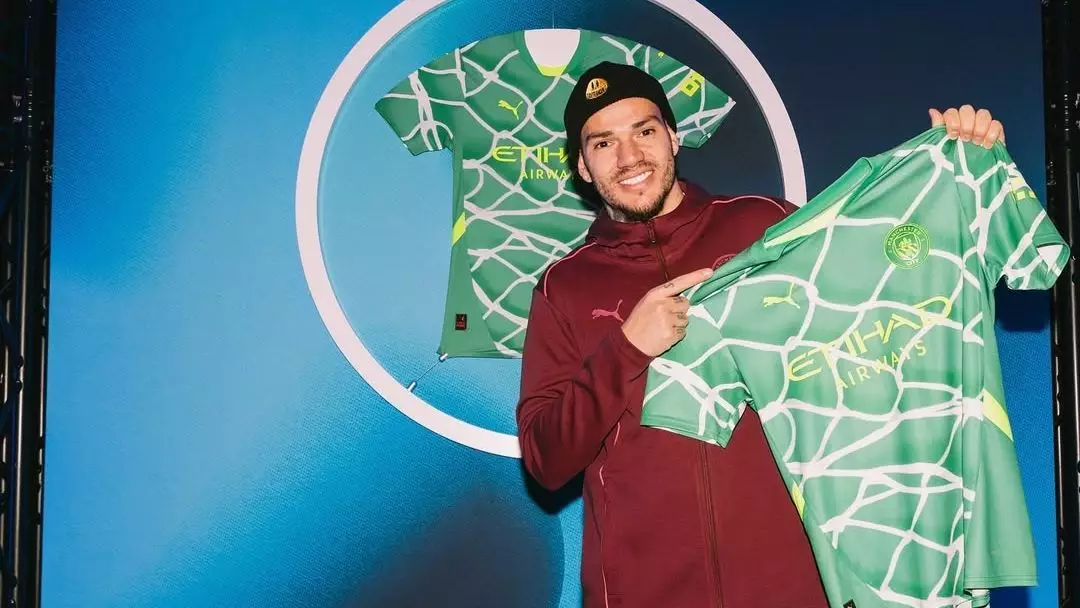
In an uncharacteristically rocky period for Manchester City, as the football club struggles through a series of disappointing draws and losses, the organization has taken an imaginative leap to rejuvenate its fan base. In collaboration with Puma, they’ve introduced a text-to-image AI generator that allows supporters to participate actively in designing the team’s third kit for the 2026-27 season. This initiative appears to be a dual-purpose project: a way to engage fans during the bleak holiday season and a nod toward exploring the possibilities of the future.
The AI-powered kit design contest raises an intriguing question about the nature of fan involvement in professional sports. While some may critique this partnership as a method for both Puma and Manchester City to leverage fan creativity without compensating them adequately, there’s no denying the innovative aspect of such a collaboration. By allowing fans to use the text-to-image generator, the club has shifted the traditional paradigm of fan engagement. The AI tool, developed in conjunction with DeepObjects, is billed as a way for fans to engage in the creative process of kit design.
However, the AI model does invoke some skepticism. Questions arise concerning the dataset used for training, which may unintentionally lead to issues of artistic originality and copyright infringement. The generator’s interface provides a comprehensive agreement that permits the club to modify designs submitted by users. This could be seen as a necessary safeguard against any potential copyright claims but also signifies a level of control that Clubs like Manchester City may wish to retain, further complicating the relationship between fan-submitted artwork and official club merchandising.
The generator is designed for fans to utilize their creativity: adjusting colors, patterns, collar types, and sponsors. Yet, the experience is not devoid of challenges. Users have reported frustrations with the outputs often straying from the original intent of the prompts. For example, attempts to create kits inspired by specific cultural references have yielded results that were far from the intended aesthetic. A user’s effort to channel the style of iconic musicians such as Liam Gallagher yielded unpredictable and less-than-flattering designs.
Moreover, there are indications that users have managed to leverage the platform for humorous or critical commentary on the club, hinting at the fine balance between fan expression and corporate branding. Given the ongoing financial scrutiny Manchester City faces, it’s unlikely that the club will adopt designs that inadvertently reference these challenges.
To participate effectively, fans must navigate the intricacies of “Design Credits.” Users start with a limited number of credits that diminish with every entry, adding a gamified element to the creation process. They can earn additional credits by reviewing peer creations, fostering a community atmosphere within the platform. As each user submits prompts, the potential for spawning multiple variations opens doors for diverse interpretations of what a Manchester City kit can be.
Once the submissions close on December 20, a shortlist will likely emerge that combines fan and expert insights for a public vote in early 2025. This collaborative approach—where fans and professionals work hand in hand—has the potential to bridge generational gaps. However, fans’ satisfaction will depend significantly on the transparency of the judging process and the authenticity of the designs incorporated into the final kit.
Looking Ahead: The Future of Fan Involvement in Football
Puma’s Head of Emerging Marketing Tech, Ivan Dashkov, expressed the ambition behind this initiative as a way for technology to connect fans more deeply with the game they cherish. While some traditionalists might balk at this shift from direct fan ownership of design to a more curated corporate initiative, the reality is that innovation in fan engagement is essential for evolving sports marketing.
As Manchester City contemplates its future performance, both on and off the pitch, this kit design competition exemplifies a modern approach to fan involvement—a bid for authenticity amid a landscape that often feels increasingly commercialized. Ultimately, the success of this initiative will hinge on fan reactions and the quality of the resulting kit that emerges from this unique creative experiment. In this evolving world of sports, embracing such technology could very well transform how clubs visualize and incorporate fan sentiment into their identities.