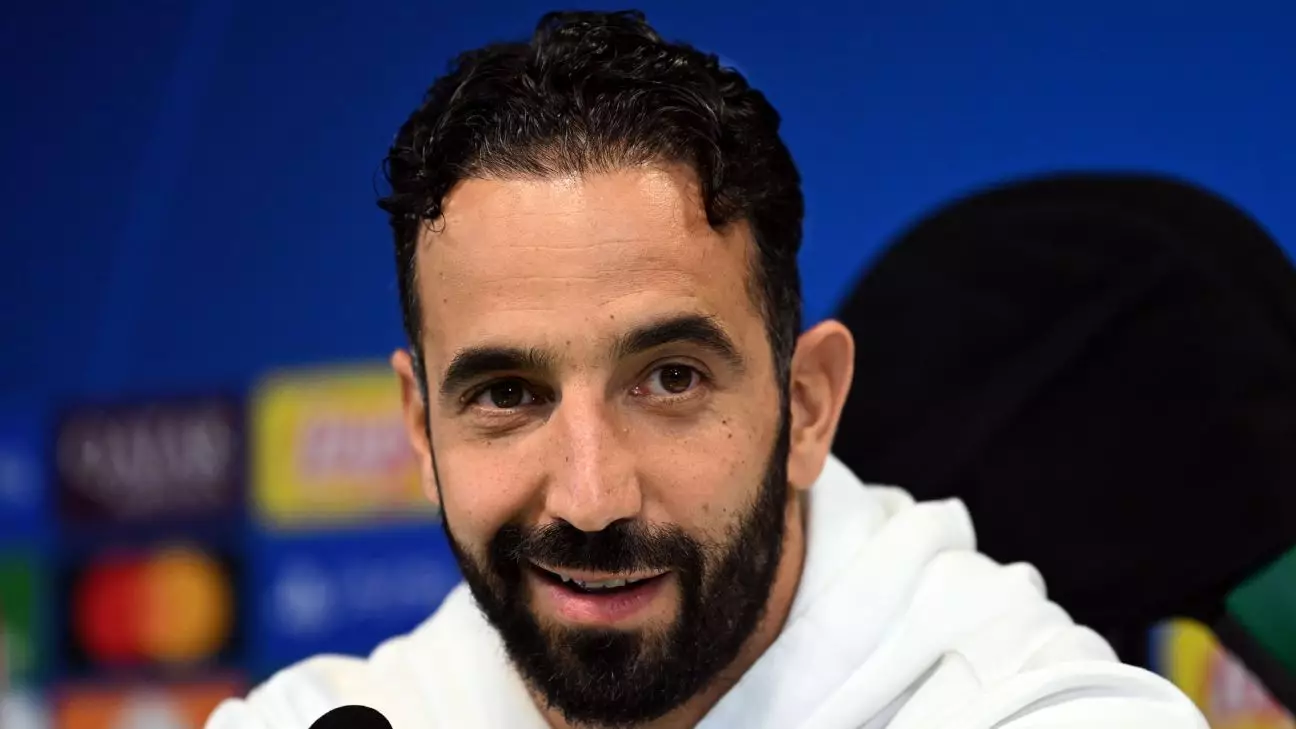
Rúben Amorim: Navigating Choices in High Stakes Management
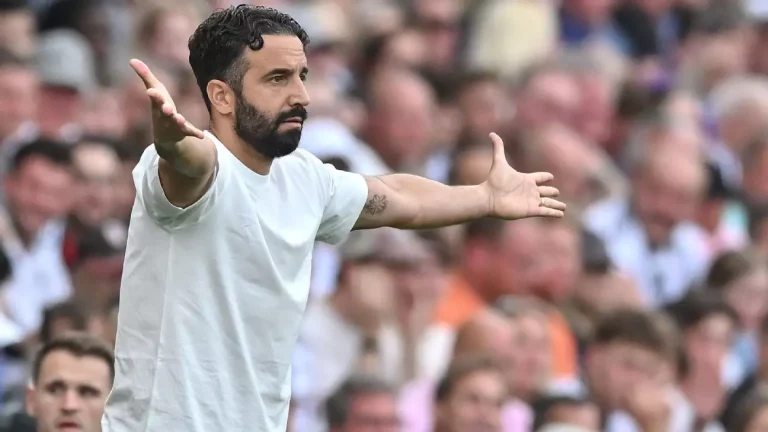
Rúben Amorim, the highly regarded head coach of Sporting CP, finds himself at a transitional juncture as he prepares to succeed Erik ten Hag at Manchester United. Amorim’s imminent departure from Sporting has spurred conversations about his future and aspirations, particularly with the recent recruitment of Hugo Viana as Manchester City’s director of football. Although Amorim acknowledged that the idea of joining Viana in Manchester had crossed his mind, he emphasized his unwavering commitment to leading Manchester United.
This revelation points to the complexities and dynamics professional coaches face in high-stakes environments. Amorim’s focus on United is emblematic of his ambition and career strategy, showcasing a clear intent to establish himself in one of the world’s most prominent football clubs. While such thoughts of alternative paths may be natural, the courage to commit to a singular vision is commendable.
As Amorim prepares to lead Sporting against Manchester City in the UEFA Champions League, he understands the significance of this matchup not only for Sporting but also as a preview of his tactical prowess to the Manchester United fanbase. Scheduled just ahead of his official start in Manchester, the clash against Pep Guardiola’s formidable team serves dual purposes: it adds to the prestige of Amorim’s coaching résumé and ignites anticipation for what’s to come at Old Trafford.
However, in his candid statements, Amorim pointed out a critical consideration—he refuses to let the outcome of a single match define his impending tenure at United. He astutely remarks that public perceptions can fluctuate based on results, which can lead to lofty expectations or harsh criticisms. By distancing himself from the potential judgments that might stem from this pivotal encounter, Amorim asserts that his focus lies in immediate successes rather than future speculation.
In a world where managerial success is often reduced to win-loss records, Amorim’s reflections highlight an essential attribute of successful coaches: resilience against external pressures. As the journey toward his new role unfolds, Amorim’s perspective urges fans and pundits alike to adopt a broader vision. He firmly believes that the true measure of his capability as a coach will not be encapsulated within one match’s outcome, but rather in the long-term growth and success he can foster at Manchester United.
As he prepares to embark on this ambitious project, Amorim’s self-awareness and understanding of the game’s intricacies position him as a potential successor to the legacy of great coaches at United. The anticipation surrounding his new role is palpable, especially given the club’s tumultuous recent history. Yet, his ability to remain grounded amid possible fluctuations in expectations will be pivotal in shaping not just his tenure but also the future trajectory of Manchester United.
Rúben Amorim’s thoughtful contemplation about his career paths juxtaposed with the pressures of coaching elite teams reveals the intrinsic challenges faced by modern football managers. With an eye firmly set on Manchester United, Amorim’s poised transition will be watched with keen interest not only for the results but for the rejuvenation of a storied club’s identity as a powerhouse in football.