The Future of Football Transfers: Analyzing the Shifts That Will Define the Next Era
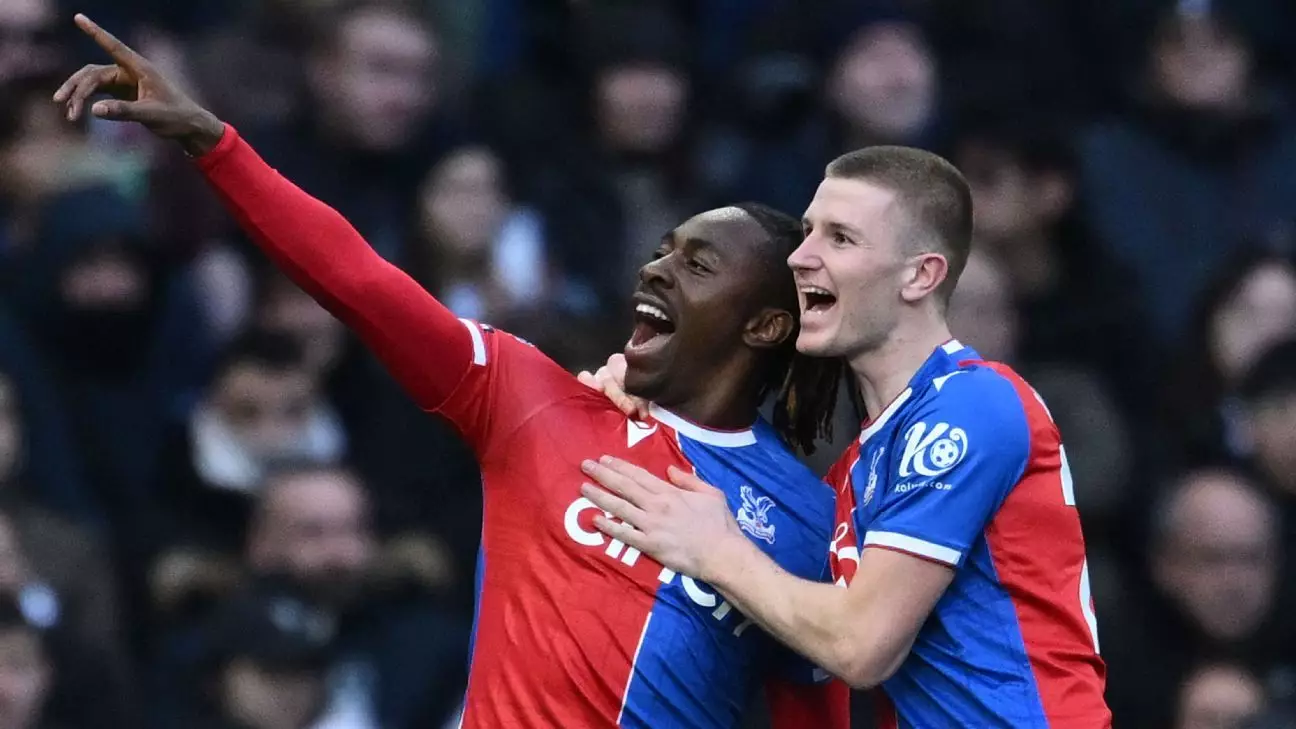
In the high-stakes world of football transfers, clubs are increasingly opting for strategic player exchanges and scouting promising young talent to secure their competitive edge. Arsenal’s pursuit of Eberechi Eze serves as a prime example of this approach. The Gunners are reportedly willing to part with one of their promising homegrown stars in exchange for the England international, highlighting a trend where clubs prioritize dynamic, emerging players over seasoned veterans. This strategy not only balances the pursuit of immediate impact but also invests in future potential, signaling a shift in how elite clubs construct their rosters.
Historically, clubs relied heavily on signing established stars to guarantee instant success. Today, the focus has shifted toward acquiring versatile, energetic players who can be molded into key contributors over time. Arsenal’s willingness to include a young first-team player as part of the deal underscores a broader philosophy—value the upside of youth, and build a sustainable team that evolves with strategic transfers. This move could ripple across the Premier League, prompting rivals like Tottenham and Manchester United to reassess their transfer philosophies, potentially fostering a more dynamic and competitive transfer market.
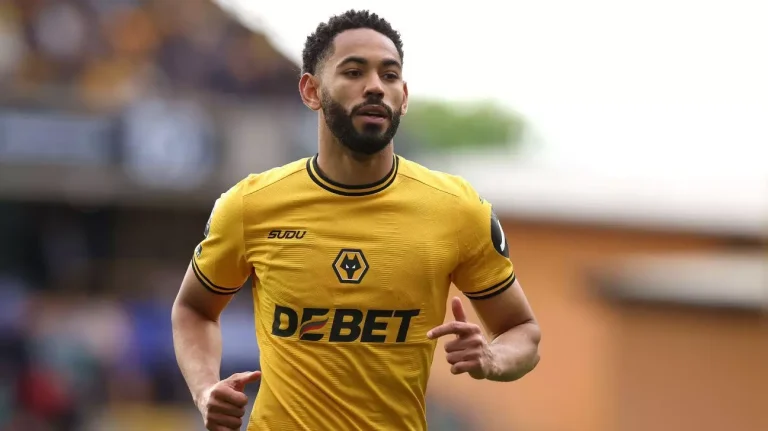
Similarly, Manchester United’s interest in Valencia’s Javi Guerra exemplifies the club’s renewed focus on nurturing young, physical midfielders with high energy levels and tactical awareness. Guerra’s style of play, characterized by box-to-box movement and aggressive pressing, aligns with the modern demands of Premier League football. United’s recent signings like Matheus Cunha show a clear intent to overhaul their midfield with dynamic, versatile players who possess both attacking intent and defensive resilience. Guerra, at 22, fits precisely into this mold, promising to add depth and vigor to the squad while also shifting focus toward future-ready talents.
The Juggernaut Shifts in European Powerhouses and How They Are Reshaping the Market
Leading European clubs such as Napoli, Bayern Munich, and Liverpool are engaged in a fierce battle for striker Darwin Núñez and other high-profile players. Napoli’s reported €50 million bid for Núñez demonstrates their willingness to spend big to bolster their attacking options, aiming to challenge traditional powerhouses in Serie A and across Europe. Liverpool’s valuation of the Uruguayan forward at around €75 million signals a substantial confidence in his potential, yet it also underscores that the transfer market remains highly inflated, especially for young, prolific goal scorers.
This trend of elevated valuations is not isolated. Bayern Munich’s aggressive pursuit of Chelsea’s Christopher Nkunku and Liverpool winger Luis Díaz indicates an intent to reshape their attacking line with proven and emerging stars. What’s compelling here is the clubs’ strategic targeting of players who can adapt to Bayern’s high-tempo, possession-oriented style. Bayern’s focus on adding versatile forwards and central defenders signals a tactical shift toward a more flexible and attacking-oriented team composition, reflecting their ambitions to dominate both domestically and in the Champions League.
Meanwhile, Liverpool’s persistent interest in Díaz highlights the club’s ongoing quest for wide attacking talent. The German giants’ efforts to acquire Díaz, despite Liverpool’s clear denials, illustrate the intense competition among Europe’s elite to capture game-changing wingers. As clubs like Bayern and Liverpool escalate their transfer game, the market is shifting towards an oligopoly of wealthier, aggressive clubs willing to pay premium prices for elite talent, which inevitably drives prices up and creates a more competitive, unpredictable transfer window.
The Strategic Movement of Midfield and Attacking Power: A Global Perspective
Midfield acquisitions remain a focal point for clubs aiming to optimize control and fluidity. Valencia’s Javi Guerra, often under the radar, is now gaining attention from scouts at the highest levels. His playing style—high-energy, aggressive ball-winning, and box-to-box contributions—fits the mold of a modern midfielder capable of transforming the game’s tempo. His physicality, combined with tactical intelligence and quick positioning, exemplifies a new breed of central midfielder who balances defensive duty with offensive enterprise.
Guerra’s potential move to Manchester United signifies a strategic drive to invest in enduring, adaptable midfielders. What sets him apart is his relentless pressing and high work rate, essential qualities in today’s high-pressing football. His ability to break lines and recover possession quickly could serve as a catalyst for United’s ambitions to return to their attacking roots, emphasizing directness and physical dominance over possession-based buildup.
On the forward front, the big-money chase for Darwin Núñez and Victor Osimhen underscores the importance of prolific goal scorers in modern football. While Napoli’s offer for Núñez is notable, the club faces stiff competition from teams willing to meet or exceed his €75 million release clause. Similarly, Galatasaray’s interest in Osimhen reveals the increasing willingness of Turkish giants to spend heavily on star strikers, part of their broader aim to challenge traditional European dominance.
Israel’s Richard Ríos and other emerging talents like Lorenzo Lucca reflect clubs’ desperation for affordable yet impactful options. The transfer strategies are increasingly driven by a mixture of high-profile signings and shrewd investments in young football brains, foreseeing a future where tactical adaptability, versatility, and resilience define success on the pitch.
In the end, transfer markets are more than just transactions—they are a reflection of broader shifts in football’s philosophy, economics, and competitive dynamics. Clubs that embrace innovation, strategic valuation, and youth development are likely to thrive in the turbulent years ahead.