
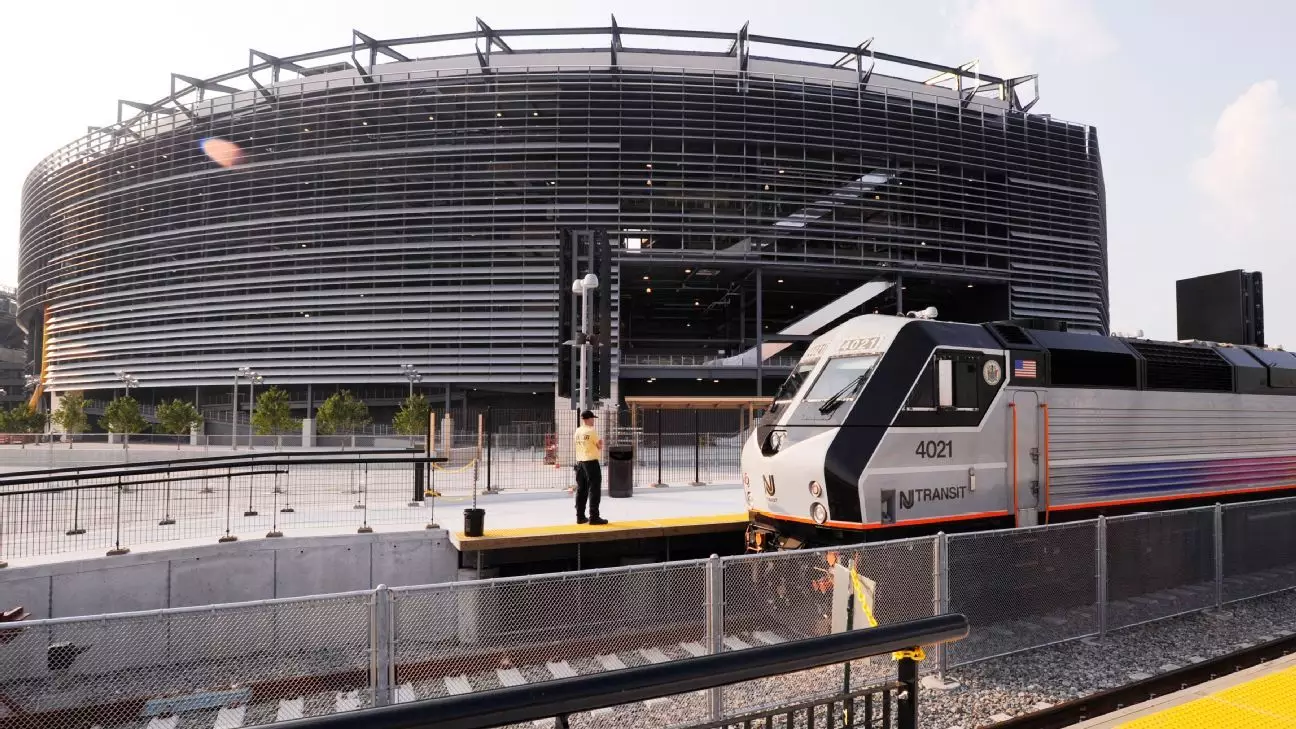
As the countdown to the 2026 FIFA World Cup draws nearer, excitement resonates across the Northeast United States, particularly in Boston, New York/New Jersey, and Philadelphia. Beyond the thrill of global football, these cities envision themselves as a mega-destination for an estimated 6.5 million attendees. Yet, lurking behind glittering promotional plans is a sobering truth: the reliability of Amtrak, the backbone of rail transport in this bustling corridor, is under intense scrutiny. Experts express alarming concerns that the national rail network may buckle under the strain of increased passenger volumes, amplifying existing frustrations about overcrowding, delays, and infrastructure challenges.
Despite Amtrak’s strategic importance, its current state is more akin to a ticking time bomb than a well-oiled transport machine. The Northeast Corridor is already the busiest rail system in the United States, accommodating approximately 750,000 passengers daily with nearly 2,200 trains. Yet, the infrastructure—comprising 17 tunnels and 1,186 bridges—faces increasing demands and continual wear, with some elements dating back over a century. Despite being the lifeline for millions, Amtrak has struggled to meet even its existing demands.
Growing Pains Amid World-Class Events
Amtrak officials themselves acknowledge existing issues: recent data indicated that nearly 10% of trains arrived late, were canceled, or were terminated. This was particularly evident during summer 2024, when multiple service disruptions marred the experience for travelers. Such shortcomings raise an essential question: Can a rail system on the edge manage the estimated influx of 6.5 million World Cup attendees in June 2026? Railway advocates argue that the failure to modernize the network could result in chaos, not only for World Cup attendees but also for regular commuters. The pressure on transportation services will spike during this mega-event, further exposing the vulnerabilities in the system.
“You’re introducing a staggering number of additional passengers into a mix that is already overburdened,” warns Jim Mathews, president and CEO of the Rail Passengers Association. “This could crush existing capacity and result in a transportation crisis.” The heart of this concern lies not just in numbers but in the broader implications for America’s reputation as a modern travel destination, especially as we welcome other global events, such as the 2028 Summer Olympics and multiple World Cups in subsequent years.
Mixed Signals from Officials
Local organizers remain optimistic, arguing that Amtrak’s past experience in handling high passenger volumes should allay fears. “We view Amtrak as a crucial partner,” asserts Alex Lasry, CEO of the New York/New Jersey host committee. However, this confidence does not universally resonate. Challenges remain inherent: ticketing, scheduling, and coordinating logistics for visitors from diverse countries, particularly those accustomed to effective rail systems, hinge heavily on a functioning Amtrak.
Yet the challenges of planning for such a significant influx are ongoing. While the organizers aim to facilitate smooth transit, the existential reality remains: will Amtrak’s maintenance and upgrades be complete in time? An unfortunate lack of crucial infrastructure investment over the decades has contributed to a system that is ill-equipped to respond to upcoming demands.
Steps Toward Solutions
Amid these prevailing uncertainties, Amtrak is gearing up for massive challenges by rolling out new high-speed Acela trains promising 37% more capacity. Nevertheless, even these new vessels may not fully mitigate the logistical shortfalls expected during the World Cup season. Observers have pointed to the need for running extended or additional services, yet whether Amtrak can achieve this after years of underfunding remains unclear.
Congressional funding remains a lingering issue, as decisions made regarding infrastructure investment have been consistently mired in red tape and political maneuvering. All stakeholders involved—government officials, transportation planners, and local organizers—acknowledge the necessity of comprehensive and transparent planning that embraces the constraints the agency currently faces.
While there is hope, there remains skepticism. The current administration’s policies concerning Amtrak funding have led to an environment of uncertainty. Implementing new guidelines needs to be swift; otherwise, the lack of advancement in infrastructure could render the forthcoming World Cup experience for visitors disappointing.
A Call for Unified Vision
Moving forward, a cohesive and well-structured plan is essential to ensure that both local and international visitors find rail travel as pleasant and efficient as possible. The complexity of accommodating countless fans, tourists, and local commuters brings the pressing need for a unified vision into clear focus. Not only does it call for attention to immediate remedies, but it also necessitates a long-term commitment to modernizing and revitalizing rail travel in the Northeast Corridor.
Lasry’s confidence is echoed by many, but it must be matched by action. Stakeholders need to communicate effectively, pay attention to operational challenges, and ensure a seamless experience for all. Without significant efforts to enhance infrastructure, the anticipation surrounding the FIFA World Cup could be tarnished by logistical nightmares, transforming an extraordinary sporting event into a regrettable tale of lost opportunities in American transit history.