The Future Ambitions of Pep Guardiola: A New Chapter or a Diverse Role?
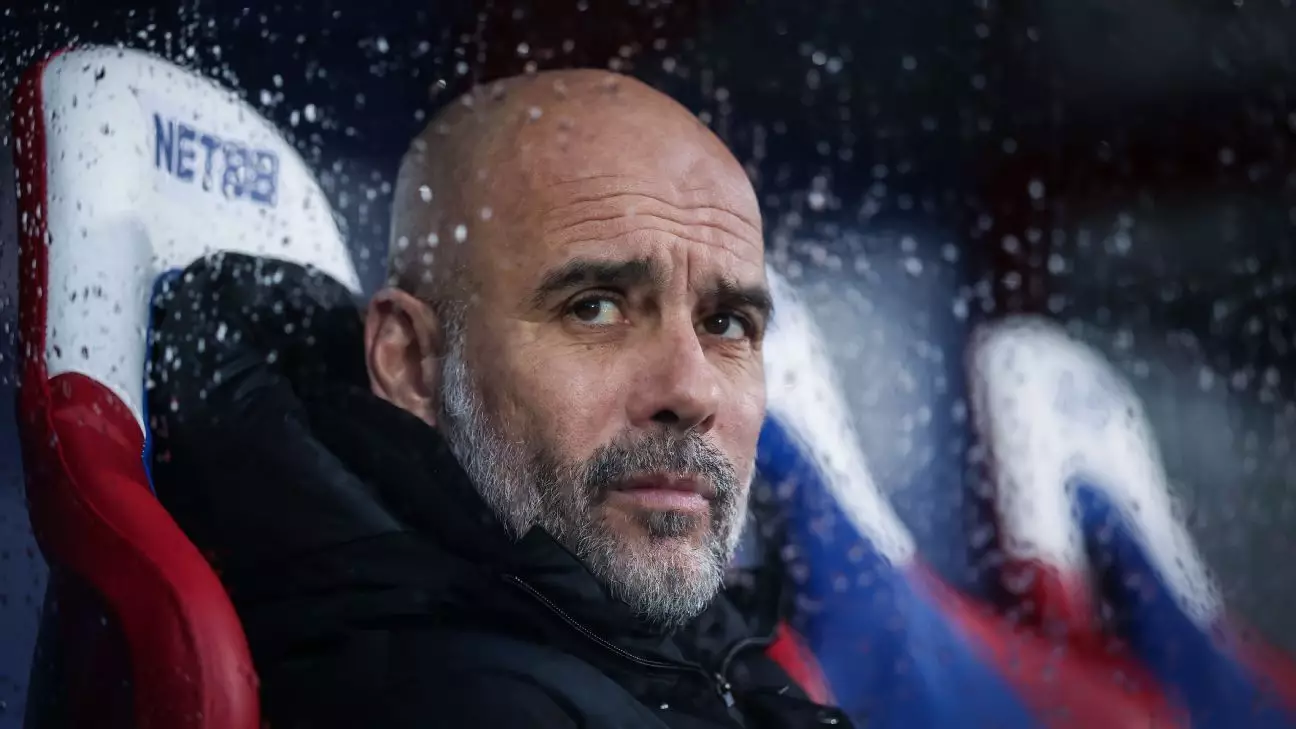
Pep Guardiola has recently solidified his commitment to Manchester City by signing a contract extension that will keep him at the helm of the club until 2027. His tenure at City has been nothing short of remarkable, creating a legacy that positions him as one of the most successful managers in football history. With numerous accolades and memorable victories under his belt, Guardiola’s influence on the game is unquestionable. Yet, as he progresses in his career, the question arises: what lies ahead for this illustrious manager once his City chapter concludes?
In a thought-provoking interview, Guardiola expressed his reluctance to continue managing club teams after his stint with City ends. He emphasized the emotional and physical toll that comes with starting anew at a different club—a process filled with training, adaptation, and establishing team dynamics. His declaration of “I’m not going to manage another team” serves as a reflection of both his personal philosophy and a potential aversion to repetitively engaging in similar challenges in a club environment. This sentiment resonates with many who understand the unique challenges that come with club management, particularly at the elite level where expectations and pressures are relentless.
Interestingly, Guardiola did not entirely close the door on the prospect of national team management, stating that “maybe a national team, but that’s different.” This opens up a fascinating avenue for exploration. National team management entails a distinct set of dynamics, focusing on short bursts of concentrated training and preparation leading to crucial matches. Such a role could reinvigorate Guardiola’s passion for football by providing a different kind of challenge—one that involves shaping a team at pivotal tournaments rather than ensuring consistent performance over a lengthy season. The prospect of leading a national team to glory could align with Guardiola’s ambitions and desire for new experiences in his storied career.
In addition to contemplating his coaching future, Guardiola hinted at the possibility of stepping away from the game altogether. The thought of leaving the sidelines to pursue personal interests, such as playing golf, showcases a human side to the tactical mastermind. His candid admission, “I want to leave it and go and play golf but I can’t,” implies a deep appreciation for the demands of football management. The dedication and time required to succeed at the highest levels make the idea of a hiatus appealing—a period to recharge and perhaps consider his legacy outside of football.
As Pep Guardiola continues to build his legacy at Manchester City, football enthusiasts worldwide eagerly await the next chapter in his career. Whether it involves international management or a complete break from the sport, one thing is clear: Guardiola’s journey is far from over. His insights reveal an introspective man who values not only success but also personal fulfillment, setting the stage for significant decisions in the years to come. The football world watches with bated breath, knowing that whatever path he chooses, it is bound to be extraordinary.