The Tension of Tradition: Messi, Paraguay, and the Cultural Significance of Football Jerseys
In the world of football, rivalries are often marked by passionate displays of allegiance, with fans donning their team’s colors as a badge of honor. The upcoming South American World Cup 2026 qualifier between Argentina and Paraguay exemplifies this dynamic. However, a recent ban imposed by the Paraguayan Football Association (APF) on foreign jerseys, particularly those bearing the name of superstar Lionel Messi, has ignited a conversation about national identity and the significance attached to sports apparel.
As the match approaches, Paraguayan officials, including APF manager Fernando Villasboa, have made it clear that supporters in the Defensores del Chaco stadium should wear only local colors during the game. Villasboa’s directive, stating that “the home ground is very important to us,” emphasizes a desire to preserve local tradition and minimize provocations that could arise from the presence of rival jerseys in the stands. This caution reflects a broader strategy where the maintainance of national pride takes precedence over individual expressions of admiration for opponents, even those as legendary as Messi.
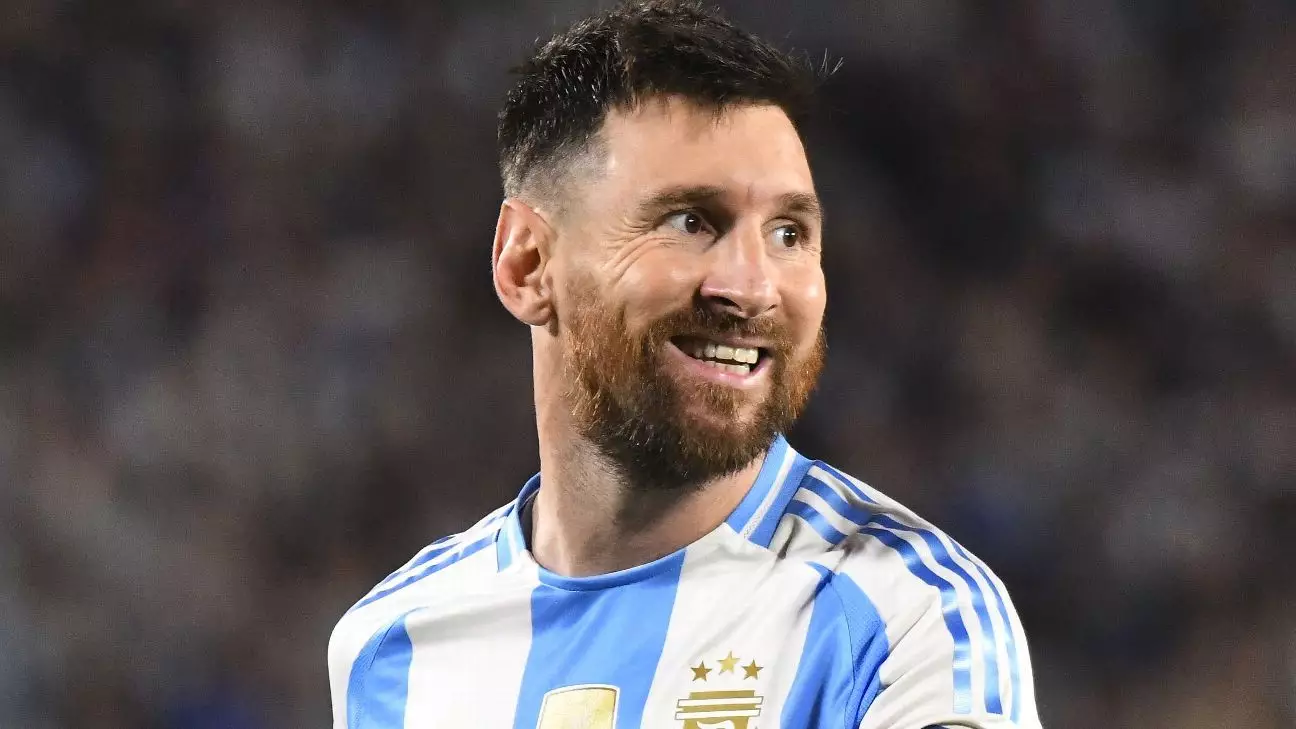
Lionel Messi’s influence in football transcends borders and rivalries. His presence in a match often evokes appreciation across different fanbases, which makes the APF’s edict particularly challenging to uphold. Argentina’s coach, Lionel Scaloni, made a compelling argument for this phenomenon during a recent press conference. He suggested that while Paraguayans may wish to showcase their national pride, the allure of Messi often leads supporters to express their admiration through the iconic blue and white stripes of Argentina’s jersey. Scaloni defended this sentiment, pointing out that “Leo Messi is stronger than all that,” highlighting the duality of national pride and personal admiration.
Paraguay coach Gustavo Alfaro’s response to the jersey ban further complicates the conversation. His comment, “I had no idea about that,” indicates a disconnect between the administrative decisions of the APF and the relationships fostered in the spirit of sportsmanship. While Alfaro respects the strategic positioning of his team, he recognizes that the love for football often creates bonds that transcend rivalries. This situation presents an opportunity to reflect on how sporting events can serve as platforms for unity rather than division.
The upcoming match between Argentina and Paraguay is more than just another game; it is a cultural phenomenon that reflects historical tensions and a deep-seated passion for football. The dichotomy between enforcing local patriotism and recognizing global figures like Messi illustrates the complexities of fan culture. As Argentina leads the South American standings, it remains to be seen whether the APF’s ruling will truly suppress the admiration for Messi or simply highlight the enduring power of his legacy in football. By understanding and navigating these nuances, we embrace the beautiful game’s capacity to unite diverse groups, foster respect, and inspire shared joy, ultimately emphasizing that at the heart of football lies a common love for the sport itself.