Unleashing North America’s Potential: The Remarkable Rise of Soccer on the Global Stage
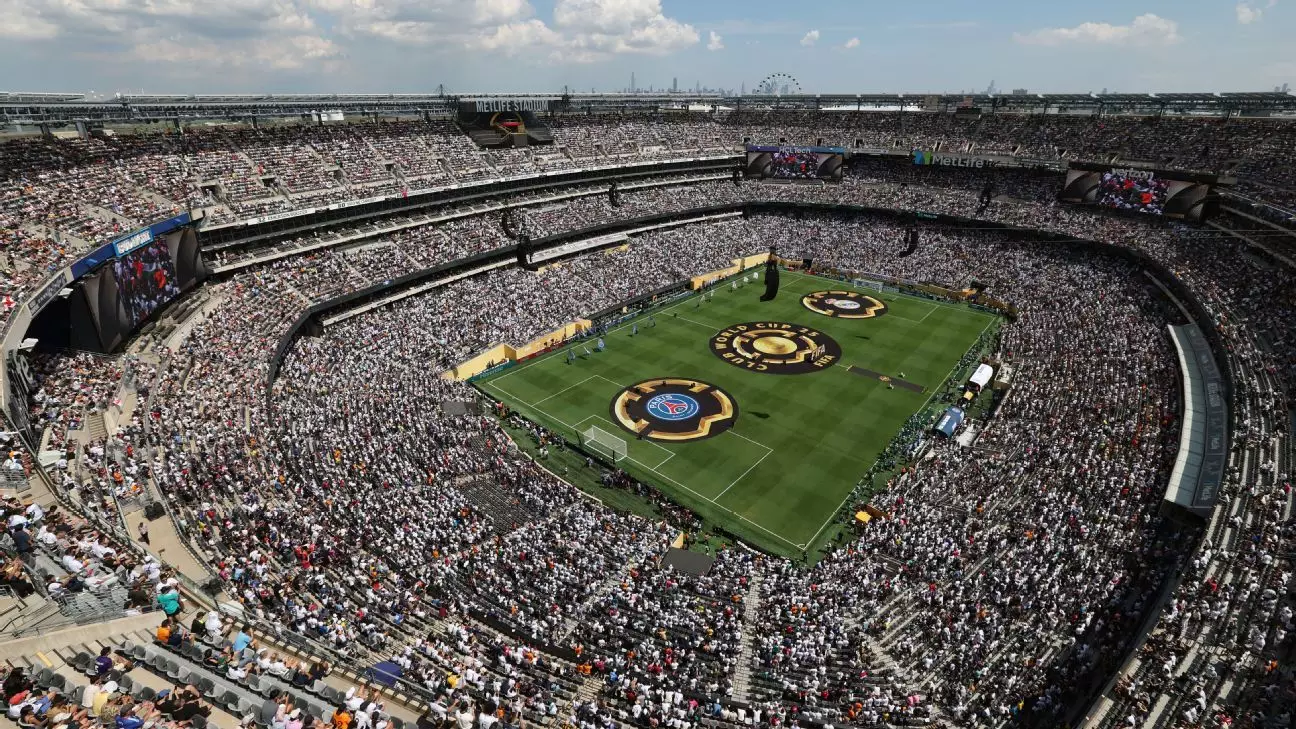
The recently concluded Club World Cup has heralded a new dawn for North American soccer, turning heads and shattering long-standing stereotypes about the region’s football prowess. For decades, North America has struggled to claim genuine credibility on the international football front, often overshadowed by Europe’s dominant clubs and South America’s passionate leagues. However, the event’s success signals a seismic shift. It is not merely a tournament; it’s a declaration that North America is ready to contend seriously on the world stage. With over three million fans attending matches, the continent has demonstrated its capacity to host and inspire audiences at a level previously thought unattainable. This is a testament to a much-needed confidence boost, fueled by strategic investments, growing local talent, and an expanding soccer appetite among diverse communities.
Challenges Overcome and Lessons Learned
Organizing such a sprawling international event in a region still refining its football infrastructure was no small feat. New stadiums had to be retrofitted swiftly, ticketing systems overhauled, and logistical hurdles managed amid unpredictable weather patterns. Yet, the event amassed few significant setbacks, underscoring the resilience and adaptability of North American hosts. These challenges reveal essential lessons: infrastructural investment works, innovation pays off, and the region’s capacity to adapt can rival the most seasoned organizers worldwide. It’s a reminder that progress requires persistence and a willingness to learn from trials — qualities that will serve the continent well as it aims to elevate its profile further.
Impact Beyond the Pitch
The tournament’s ripple effects extend well beyond matchdays. It provided invaluable practice for stadiums preparing for next year’s FIFA World Cup — a seminal event that promises to cement North America’s status as a premier football destination. The success also highlighted the rising level of competition from clubs that traditionally played secondary roles on the international stage. Notable performances from MLS teams like Inter Miami, with Lionel Messi leading the charge, showcased the league’s newfound grit and ambition. Messi’s historic victory over Porto symbolized more than just a win; it represented the breaking down of barriers and stereotypes that once relegated MLS to the sidelines. It’s an assertion that the American league, and by extension North American leagues, are now ready to punch above their weight.
Europe’s Dominance & North America’s Emerging Power
While Europe remains the pinnacle of club football, the presence of emerging clubs during the tournament signals a healthy, competitive landscape gaining momentum outside its traditional epicenters. This is a crucial development: it means that North America is no longer merely a passive host but an active participant striving for excellence. The emergence of talented squads from Brazil, the United States, and other regions signifies a broader diversification of the sport’s power centers. This diversification injects vitality into international competitions and creates a more balanced, dynamic global soccer ecosystem. North America, with its expanding talent pools and enthusiastic fanbases, is positioning itself to challenge the established hierarchy.
Looking Forward: Transformation and Aspirations
The takeaway is clear: the North American soccer scene is undergoing a transformation that is both tangible and promising. Despite logistical hurdles, negative weather, and the sometimes imperfect execution of new systems, the event exemplified resilience, innovation, and ambition. The future lies in leveraging these lessons, continuing to invest in infrastructure, nurturing local talent, and cultivating a genuine soccer culture that can rival traditional powerhouses. The tone set by organizers and fans alike suggests a continent eager to stake its claim on the global map, driven not by hubris but by a genuine desire to grow and thrive in a sport that is becoming increasingly universal.
As the continent looks ahead, the question isn’t whether North America can rise — it’s how rapidly and convincingly it will consolidate its newfound position. The success of this tournament offers a compelling preview: a future where North American clubs and fans are no longer spectators but key contributors to the global narrative of soccer excellence.